

Solar Classroom
If you want to learn more about how solar photovoltaic (PV) projects operate, this is a good place to start!


Panel Composition
Solar panels are composed of silicon solar cells confined between glass with a metal frame. The silicon, glass, and metal framing used to manufacture solar panels are non-toxic. The interior components of solar panels are entirely solid and made primarily from silicon and metal so there are no liquids or gases that risk polluting the environment.

Solar PV is a technology used to convert sunlight to electricity. Solar panels are designed and will be used to achieve optimal energy production at the Falling Waters Solar Project. Several solar cells are electrically connected and mounted in a support structure or frame that is called a photovoltaic (PV) module. Arrays of Photovoltaic modules at the site will produce direct-current (DC) electricity.

Inverters convert the direct current (DC) electricity from the solar panel into alternating current (AC) electricity, so it can be added to the utility grid system.

The electricity generated will be collected on-site using underground cables to the project substation. The project substation will aggregate the energy so it can be fed onto the grid and includes a transformer that converts – or “steps up” – the electricity to the same voltage level carried by the grid's transmission lines.

Land Stewardship
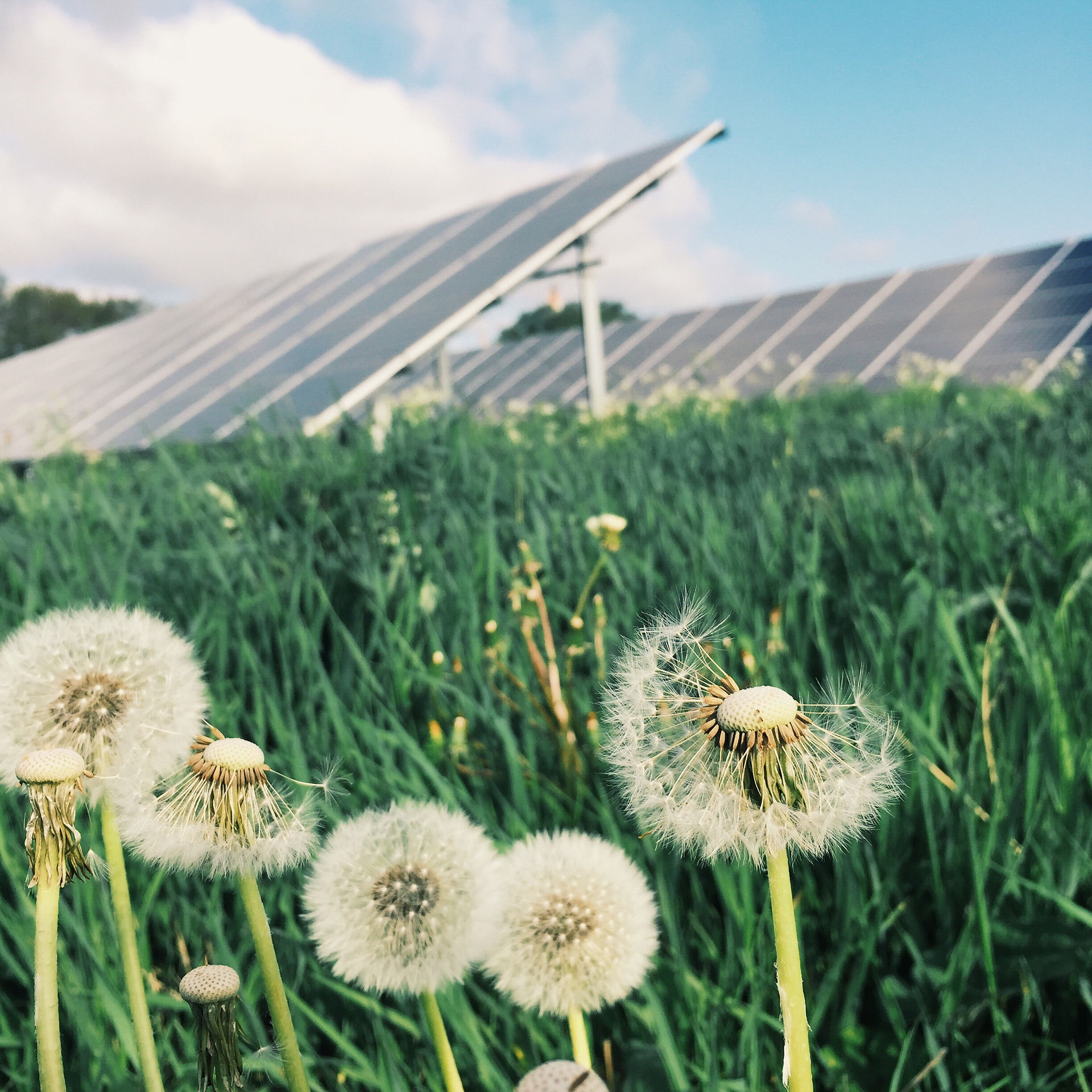
Falling Waters Solar will maintain and protect the leased land during the operating life of the project, after which it will be fully decommissioned and will then revert to the owner’s control and be available again for traditional farming. Solar development and traditional agricultural can co-exist side-by-side and are increasingly found together. Responsible solar development provides benefits to both agriculture and local ecosystems by improving soil health over time, increasing biodiversity, retaining water and topsoil with deep-rooted vegetation, and nurturing native pollinators which support local food production.

Agriculture
West Virginia farmers produce world-class products. As stewards of the land, they understand the need to balance productivity and environmental protection. Falling Waters Solar will be built primarily on agricultural land, and while the product produced is not traditionally agricultural, it generates a necessary, renewable product, and continues the tradition of West Virginia’s agricultural and energy leadership. Clean solar energy is produced without causing air or water pollution and provides a stable revenue stream for farmers and their families, as well as the local community in the form of property taxes. At the end of the project’s operating term, the land will be once again available for traditional agriculture.
Although some worry about the use of agricultural land for solar energy generation, the National Renewable Energy Laboratory found that it would take only 3.5% of U.S. cropland to meet 100% of all energy demand via solar installations. They anticipate only needing 1-2% of agricultural land in combination with other energy sources.